These past few weeks have been one horrible news cycle after another for games and the industry as a whole, but the one that has hurt the most for me was id Software’s massive layoffs being a huge blow to a studio that has helped redefined games, FPS, and the power of their own idtech engine. For me, id represented the last of the old studios whose name and prestige meant something, and finally signals that AAA as we knew it is gone, and the more I think about it, the angrier I feel.
The Golden Age of AAA Gamedev
With all the Deep Dives I’ve written on game design, it’s given me the chance to think about how the industry was and where it is now. And as I thought about it, it really feels like the late 90s into the early 2010’s is going to be where AAA development was at its brightest. This was a period where there was a certain level of respect and prestige given to major studios.
No matter the genre, there were games being published by studios, and a willingness, at least from the outside, to let the biggest names cook. This is where many studios and genres would reach the peak of their popularity — from Bioware to Nintendo; from action to strategy games.
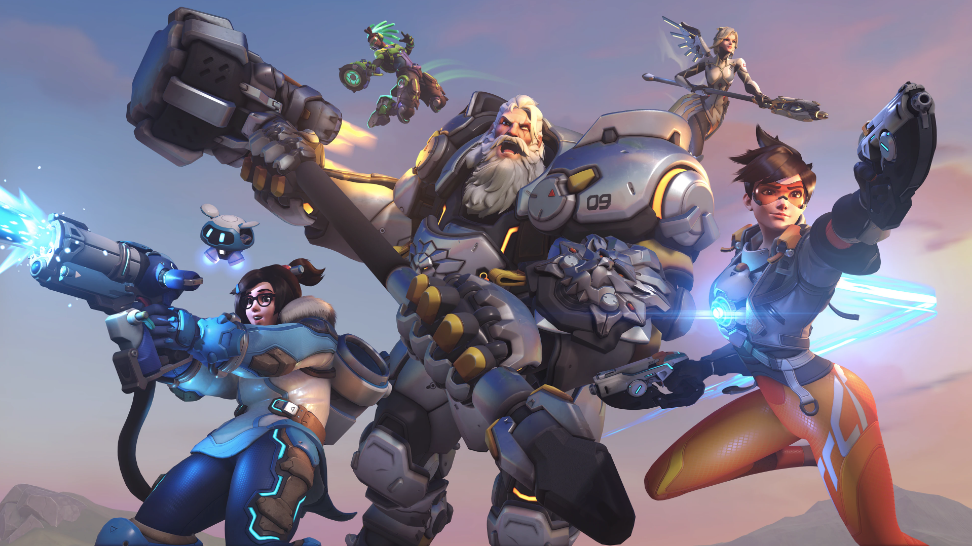
Major studios today seem to be trapped in this loop of just working on the same properties or remaking their previous hits (source: Blizzard)
I, and I assume those of you old enough to grow up during this time had a studio that you would have loved to work at. And for the kids and people who got into games over the last decade, it may be funny to hear about how studios like Bioware, Blizzard, Squarenix, Konami, and others, were once considered some of the titans of the industry. Any one of those developers, when they released a new game, that was a holiday for that fanbase.
To look at how far things have fallen, we can talk about a few reasons.
The Chase for Infinite Money
If the 90’s was the period of the game industry finding its footing again, the 2000’s was it blowing up, the 2010’s for AAA was the commercializing of it. Looking at the success of the mobile games industry, publishers began chasing that with finding ways of making games cheaper, and trying to get as much money out of them as possible. People from the gaming industry started to appear at studios, and there was this notion that every major franchise could keep earning money indefinitely.
This became worse in the back half and into the early 2020’s. The boom that Covid 19 brought for people staying home and playing games attracted a lot of outside investment and people wanting to strike it big in games. However, videogames are not a commodity — it’s not something that people need in their daily lives or something that can be produced constantly and consistently.
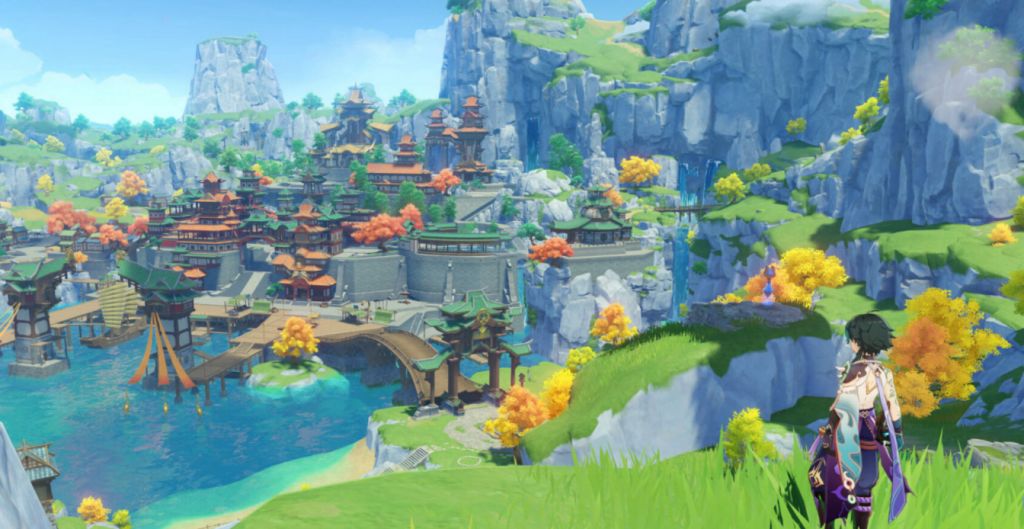
Studios have been chasing mobile numbers for years without understanding the work and design philosophy that goes into it (source mihoyo)
And this is exceptionally true for AAA games that can take years to develop a single title. The amount of talent required to produced a game at that level is not something money can buy; we should know, as investors have tried just that time-and-time again.
There was a time where the name and recognition of a studio allowed it to experiment, maybe one game does well, maybe it doesn’t, but they were able to keep producing games while they were still doing well. Today, it’s a far darker story.
Success = Failure
As it stands looking at the landscape of AAA, there are only two kinds of studios left. Those that are relegated to working on the same game or live service project forever, and everyone else who is always a razor’s edge away from being shut down.
What’s infuriating is that studios are getting shut down simply because they exist; their last game could have been a critical and commercial success, but because Fortnite and Call of Duty make Fortnite and Call of Duty numbers, it’s not enough. Tango Gameworks following the amazing success of Hi-Fi Rush was rewarded with the studio closing. Executives are pushing AI at the expense of building a well-trained team thinking that it will save them money and that game development is easy.
There is this continued truth that the people responsible for the money that goes into games do not understand games even at the most basic level. And time again, we are proven right with studios who release award winning games, who have years of talent working there, get tossed aside.
That talent is what leads to amazing games being made; you can’t buy that experience, and why just having the name of a studio or a game brand is not enough to make an amazing game. This is why hearing the news of layoffs at id feels like such a gut punch.
What id Meant
Watching id losing most of its staff on the day of their big release was horrible. While I wasn’t a huge fan of the Dark Ages, Doom Eternal is one of my favorite FPSs of all time and it and 2016 both inspired the boomer shooter market and developers over the years. The id tech engine has been praised by everyone, and the studio and brand has been a namesake of shooters since the 90’s. It seems like so long ago now that events like Quakecon and Realms Deep were growing in popularity again along with boomer shooters, and now all that is gone.
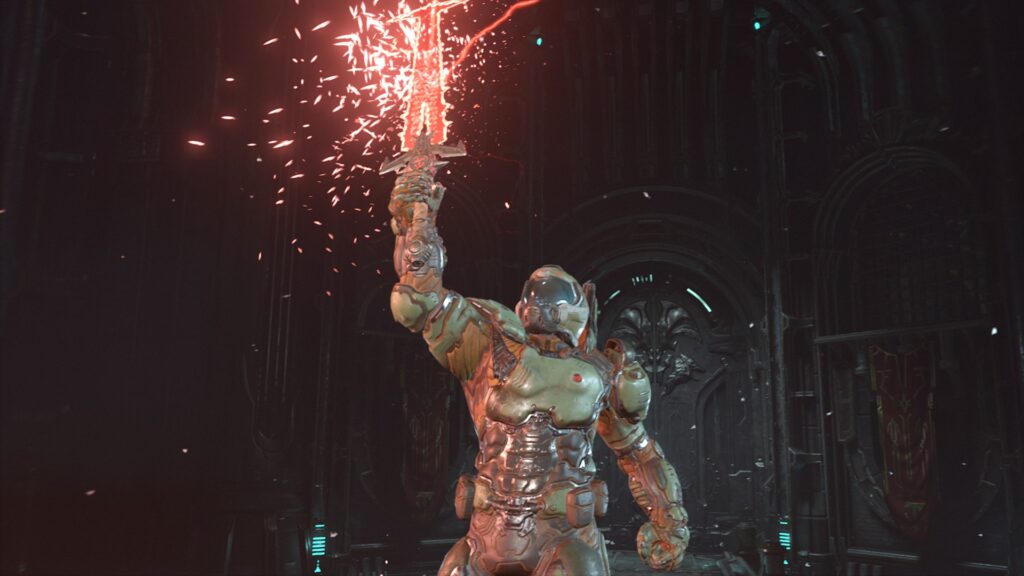
it’s easy to forget now how much Doom and Doom Eternal changed what people thought about shooters and FPS design (source Author)
As a reminder, there was a period where id disappeared for years with out a new Doom game between 3 and 2016; a cynical view would be to say that would have been the perfect time, if any, to close a company like that. But their name was like Blizzard during its peak — a studio that you know given their recognition and fame that if you let them work, they’re going to publish something amazing, and lo and behold, they did. Both Doom 2016 and Doom Eternal were major moments for FPS design, and who knows if we would have gotten anywhere near the same amount and quality of indie shooters without them. Making games like either takes skill and a whole lot of things needed to go right, and they did.
And again, it’s not like id made a horrible game, or had management issues, or anything that would be worthy of closing a studio down for, it’s because someone expected single player shooters to be making the same amount of money as one that gets monthly updates and loads of microtransactions.
So much talent, name recognition, and knowledge gets thrown out, and the people responsible for this will face no repercussions for this poor decision making.
Prestigious Failures
This decade has been painful to watch, with many people in the game industry losing their jobs just to make a spreadsheet look good for a quarter. Videogames are still art, and so much of the talent that goes into this craft has been punished by people who don’t understand what it means to make games.
In the last 20 years, I’ve gone from supporting major studios, to now not wanting to give one dollar to Nintendo, Microsoft, or Sony, ever again. I couldn’t care less about Grand Theft Auto 6, as it seems like less of a celebration of the franchise, and more of the final nail in the coffin for major game development.
This would be the point in the article that someone else would say “this is the best time to be an indie developer”, but even that’s not the case. If you want people to produce great games, they need to be in a position where they’re not worrying about their livelihood every day, and that requires funding and support.
For now, if you value your skills and your employees, you should never let a publisher buy ownership, as every time we’ve seen that come back to hurt the studio in question. And for the studios still alive, now, more than ever, there needs to be a formal push for a nationwide union for game dev. Because in a world where companies like Microsoft can push AI down your throat, Sony can decide to remove games and physical ownership, and Nintendo punishing game preservation, the people who make games need all the protection they can get.
As for the FPS genre, it is no where near any danger of going away, but the studio that managed to not only define it once, but twice, has been hit with a heavy blow.
For daily game design rambles and more, follow me on Bluesky