Because I have nothing else going on and all the free time in the world, I decided to try another mega mod change for a game in late 2025, with Phoenix Point’s Terror From the Void fanmod. The mod’s intent was to combine all the DLC released into one coherent game. Looking at the DLC on steam, and the reviews range from good to bad to horrible. When it comes to DLC or expansions for games, developers have tried different methods for how they fit, and why you need to be sure of what you’re adding to your game.
The Kinds of Content
We live in a world where additional support and content for games is expected by many consumers. If you love a game, getting more game is a win-win. However, developers have different ways of creating new content and the expectations that come with it.
On the smallest side, we have simple cosmetics or flavor items — new songs, portrait art, taunts, costumes, etc. Content that remains evergreen for years to come, provided people are interested in expanding the look of a game.
The next step up, and what Phoenix Point and other games have done, is create self-contained “chunks” of content. This isn’t about adding 100 more hours to a game but adding a very specifically focused amount of content that someone can decide whether or not to buy it. We can see this with a pack of new guns, a different kind of vehicle, weird weapons, and more. This adds more “stuff” to your game, but it’s not directly changing the overall game or adding in new gameplay. This kind of content typically gets slotted into the main game and can activate at the start or at specific points during the game. And if content does change the game, it is often placed behind a toggle for players to decide whether or not they want to use it or not.
Then there are expansions where the sky is the limit for what you can have in them. In XCOM 2’s example with War of the Chosen, it was almost akin to getting XCOM 2.5, or as the developers were originally putting these systems together for a sequel.
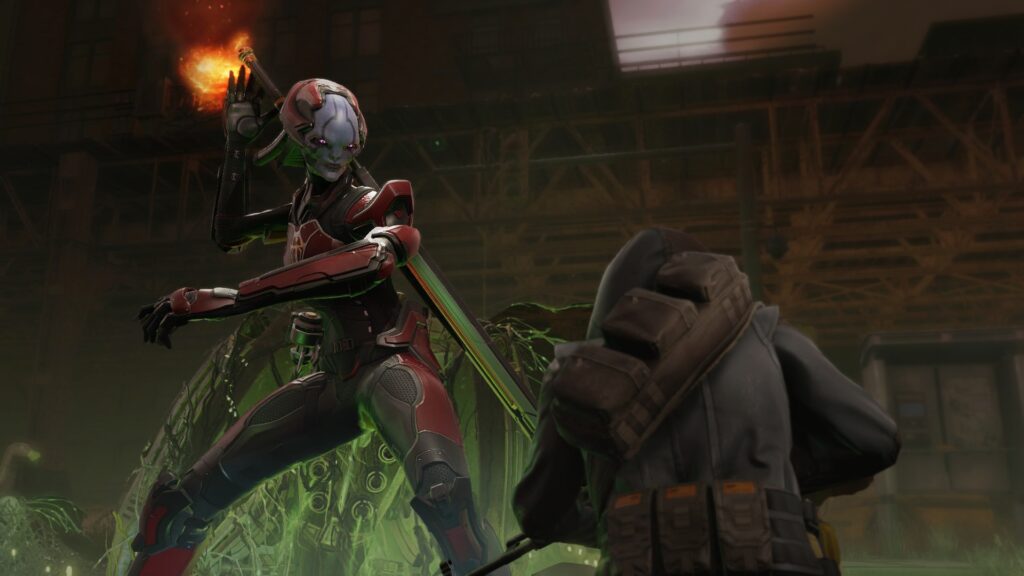
War of the Chosen is so good, it is one of the few DLC packs I’ve seen from a game that is highly rated by fans (source: Steam)
Selling DLCs as piecemeal has been the go-to strategy for Paradox Interactive for years. Each one of their bestsellers has dozens of DLC ranging from small to large, to the point that it can be overwhelming to decide what/if to buy for a new player. What Paradox does with their larger DLCs is that each one effectively is a new system or gameplay mechanic that adds more complexity to an already complex game. Now, this in and of itself is not a bad strategy. Putting more complicated elements behind DLC means that for people who want that stuff, it’s available to purchase, but it’s not a part of the base game for new players.
Looking at the DLC from Phoenix Point, they went with that model for their larger ones. However, the reason why Terror From the Void works more favorably where the base game didn’t is what all this means for the overarching balance of a game.
Piling on Problems
Downloadable content is meant to grow a game, but when you are releasing something optional, how does it work when it’s all together?
When we talk about game balance, your base game or 1.0 is the baseline experience that everything else stems from. As you add more content to your game, that affects the experience in large and small ways based on how it’s integrated. For story/expansion DLC, the content may activate after a specific point in the game.
As we’ve discussed before, more for the sake of more doesn’t make a game better. If you create five DLC packs that balloon out the early game with more quests and things to do, it could slow the game down or make the player overpowered by the time they get to the middle. Or make things harder for players where you don’t want them to feel stuck. In Darkest Dungeon 1’s the Crimson Court DLC, it introduced hard enemies early on and a new disease to make the early game even tougher and was not recommended to play for people starting the game for the first time.
We see this from a lot of developers when it comes to the decision of adding more content through DLC — it’s aimed specifically at veterans of the game looking to spice things up. And to be fair, that’s often a correct move. Looking at store pages, it’s rare for the DLC of a game to come anywhere near the same amount of sales as the base game. The reason is that if someone didn’t like your game at launch, they’re not going to spend more money to make it better.
The more pressing issue is how DLC affects other DLC. Let’s say DLC 4 introduces a new enemy type that is only weak to weapons and tactics introduced in DLC 2; what happens if someone only buys #4 and doesn’t have access to it? You cannot assume that people are going to just buy every DLC in order, unless you are explicitly bundling them with the base game as part of the “complete edition”. It’s this problem that leads to developers who focus on DLC to make each one standalone from one another: only requiring the base game to have access.
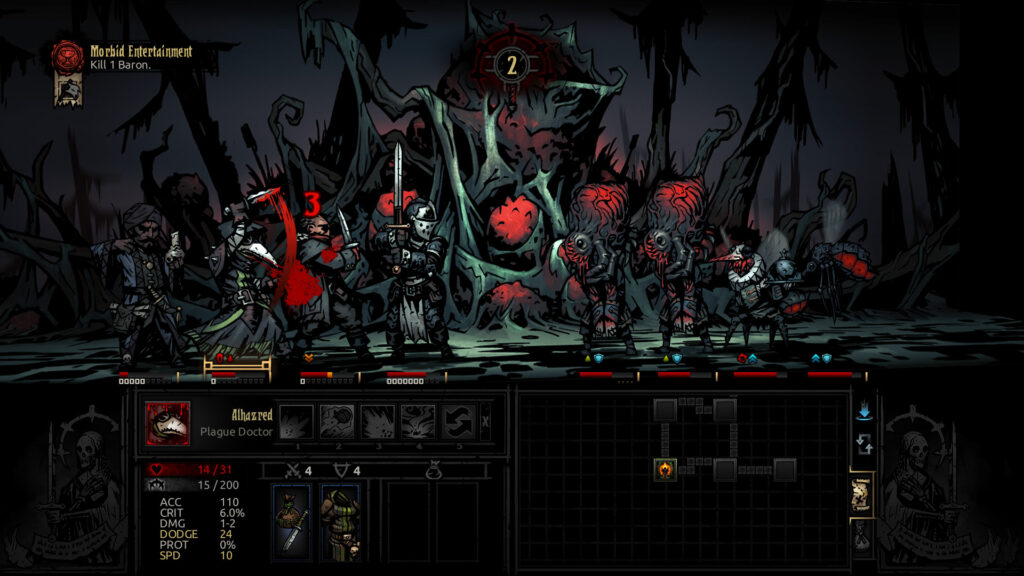
I wonder if there’s a Lovecraft quote to describe how much these enemies were hated (source Steam)
But that leads to its own unique problem. When DLC is separate from one another, it can make them feel segmented — instead of playing one complete game, you’re playing 3 or more variations of the same. With XCOM 2, it’s agreed upon that the mini DLCs were not as popular as the War of the Chosen expansion, as the expansion integrates a lot of different systems and new content into the game.
In multiplayer games, it is viewed as poor form to prevent players from playing maps if they join a game but haven’t bought the DLC. And if you do introduce a new system or mechanic with DLC that becomes the norm, then it should have a free version available to everyone.
What’s the (Phoenix) Point?
Let’s quickly go over the different DLCs for Phoenix Point, starting with Living Weapons. A simple one that just adds in a few different weapons and a new armor set. Blood and Titanium allows the player to add cybernetic upgrades to characters and is similar to the upgrades introduced in XCOM‘s Enemy Unknown expansion. Legacy of the Ancients adds new enemies and a campaign structure meant to increase the difficulty of the game.
Festering Skies is the most polarizing one and goes with the complaints about piecemeal DLC. After a few weeks of in-game time, the behemoth shows up to begin attacking havens, and the only way to deal with it is to build an air force and get into specific air-based combat with its ships. The issue players have is that it adds a difficulty and resource spike in a game at a point where if you’re not prepared already for it, you’re in for a lot of trouble. The new air combat slows down the game and requires further resources dedicated to it.
Corrupted Horizons is the last campaign DLC, and adds in new enemies that can show up, mutated characters and more. Another one that doesn’t have good reviews due to the difficulty increases it brought to the game. Finally, Kaos Engines focuses on new vehicles and weapons and a few new missions.
The consensus from the reviews is that the DLCs either make the game harder or more grindy, or add in stuff that varies between meh and game-breaking. That last point also brings up another tough point about DLC — you don’t want to introduce something that feels “required” to play the game. This is different from an amazing expansion, where the full game is legitimately better with all the content vs. the base.
With that, let’s talk about Terror From the Void, and how it’s being looked at more favorably compared to all the DLC that is required to play it.
The Sum of its Void
Phoenix Point‘s Terror From the Void mod is not a full conversion mod like Xpiratez, but an attempt at rebuilding the entire game around the DLC. You are required to own every DLC that was put out to run it, which, by itself, may be too much of an ask for new players. What it does is provide a complete rebalancing and recontextualizing of the entire game with all the DLC integrated from the beginning on top of new classes, weapon balancing, GUI and UI improvements, and more that can show up.
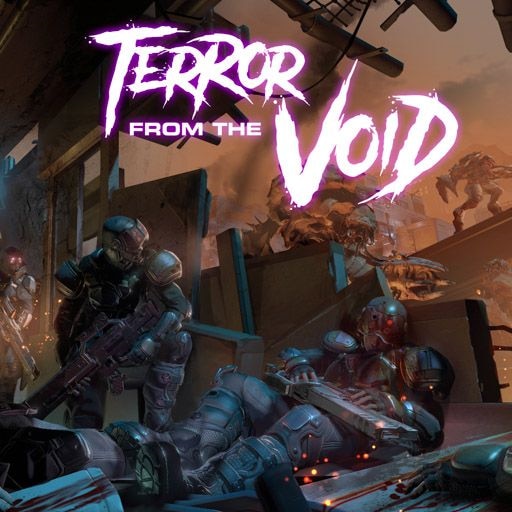
Terror From the Void is arguably considered the best way of playing Phoenix Point (Source: Steam)
Again, by requiring all DLC to be purchased to run it, the modding team knows full well that everyone playing it is going to have the same content available. This provides a more structured environment to fit all the DLC and make sure that it’s balanced within the scope of the campaign.
This creates an interesting discussion on difficulty. The new DLC, especially the flying-based one, does make the game harder, but adjusting for its difficulty means that the other content can be made to counter it more easily and better integrate into the campaign as a whole.
With that said, while Terror From the Void does feel like the definitive way to play Phoenix Point, it doesn’t quite fix the inherent issues and pain points with the game. The GUI can feel like a mess in places before you start understanding how everything works. The geoscape layer is still very daunting for new players: you’ll soon have dozens of icons on the map, multiple missions and haven defenses, and a giant alien ship that goes around attacking everyone. Like the original X-Coms, once you start falling behind and begin to lose, that is often the death knell for your entire campaign.
Rising From the Ashes
The mod is a huge improvement over the base game; to the point that the developers have updated Phoenix Point with GUI and balancing improvements straight from the mod. If you’ve been hesitant on trying the game, and have the money to buy all the DLC, I would highly recommend you give it a spin. However, if Firaxis’s take on XCOM was too daunting for you to learn, this is a step up from that.
Thanks for reading, if you want to stay updated about my works, be sure to follow me on Bluesky