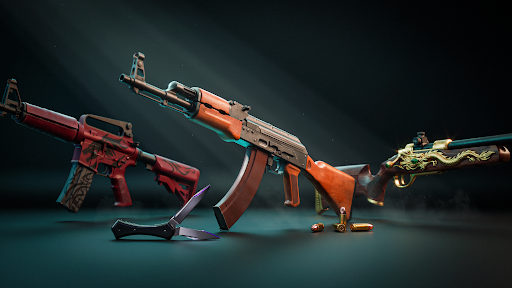
Counter-Strike 2 skins are cosmetic items that change the appearance of weapons in the game. They don’t affect gameplay performance, but they’ve become a major part of the CS2 economy. Many players wonder if skins are gradually replacing traditional currency systems in competitive gaming. To understand this shift, it helps to know what skins actually are and how they function within the game’s market.
Skins in CS2 are purely visual upgrades. A weapon skin might make an AK-47 look sleeker, more aggressive, or more polished, but the gun fires exactly the same way. Players acquire skins through case drops, marketplace purchases, or trading with other users. There are sites that offer a cs2 case simulator that lets players test their luck with virtual case openings before committing real money, which is useful for understanding the odds before spending.
What Makes CS2 Skins Valuable
Skins hold real monetary value because supply is limited and demand is high. Rare skins—especially those with low float values or special finishes—can sell for hundreds or even thousands of dollars. The rarity system includes Factory New, Minimal Wear, Field-Tested, Well-Worn, and Battle-Scarred conditions. Factory New skins command premium prices because they look nearly perfect.
The market for CS2 skins operates much like a stock exchange. Players buy low-condition skins expecting their value to rise, then sell them for profit. Some skins become more valuable over time as they rotate out of case pools. Others drop in price when new cases release similar-looking alternatives.
Are Skins Replacing Currency
The short answer is no, but the relationship is more complicated than a simple yes or no. Skins aren’t replacing currency—they’re functioning alongside it. Players still use real money to buy cases, battle passes, and marketplace credits. What has changed is the role skins play in the broader gaming economy.
Skins have become a store of value. Instead of holding money in a wallet, some players hold expensive skins. This acts like an alternative asset class within gaming. If a player needs cash, they can sell a high-value skin on third-party markets (though Valve doesn’t officially endorse this). The skin becomes a tradeable commodity rather than just a cosmetic.
The emergence of blockchain-based CS2 skin markets has added another layer to this discussion. Some platforms now settle CS2 skin transactions on-chain, meaning ownership is recorded on a blockchain rather than just in Valve’s database. This development suggests skins are moving toward becoming more like digital assets than simple cosmetics.
How the Market Works
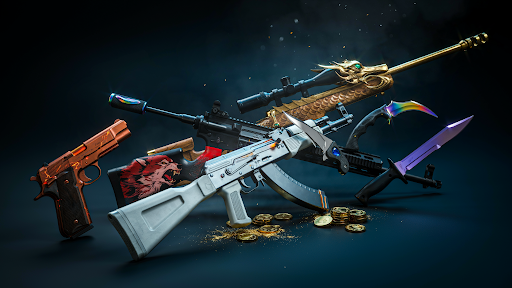
New CS2 cases release regularly, and each contains a randomized selection of skins. Players open cases using keys purchased from the in-game marketplace or third-party sellers. The odds of getting rare skins are low, which is why expensive skins exist in the first place.
Trading between players remains central to the skin economy. Players swap skins directly or use marketplace platforms to buy and sell. The official Steam Community Market caps prices at $2,000, but many valuable skins trade above this limit on external sites. This price ceiling has actually pushed high-end trading away from Valve’s official platform.
Recent market activity shows continued interest in CS2 skins despite regulatory uncertainty in some regions. Players in different countries have varying access to skin markets, but demand remains strong globally. The 2026 skin market continues to see new cases released with fresh designs, keeping the ecosystem active.
The Currency Question
Skins aren’t currency in the traditional sense. You can’t use a Dragon Lore skin to buy food or pay rent. However, they function as a medium of exchange within the gaming ecosystem. Players trade skins for other skins, and some use skins as a way to move value between accounts or between players.
The distinction matters legally and practically. If skins were classified as currency, they’d face different regulatory treatment. Currently, most jurisdictions treat them as digital goods or virtual items. This classification has kept the skin market relatively free from financial regulation, though this could change.
Some economists have pointed out that any item with stable demand and limited supply can function like currency. Skins meet both criteria. The fact that players actively trade them, store them as assets, and use them to settle transactions between friends shows currency-like behavior. Whether Valve officially designates them as such is a separate question.
What This Means for Players
For casual players, skins are cosmetics. For serious traders and collectors, they’re investments. For the broader gaming community, skins represent a shift in how value flows through games. Players now have real financial stakes in cosmetic items.
This has created both opportunities and risks. Players can make money trading skins if they understand market trends. They can also lose money if they buy high and sell low. The lack of official Valve oversight on third-party markets means scams are possible, and disputes have no guaranteed resolution.
The skin market’s maturity means prices have stabilized somewhat compared to earlier years. Extreme price swings still happen, but the market now has enough participants that manipulation is harder. This stability makes skins more reliable as a store of value, which reinforces their quasi-currency status.
Market Trends and Regional Differences
China remains a major driver of CS2 skin demand. Chinese players have shown renewed interest in high-tier skins despite regulatory pressures on gaming in the region. This continued buying power keeps prices elevated globally.
Different regions have different access to skin markets. Some countries restrict or ban unregulated gambling-like mechanics, which affects how players can legally acquire skins. These regional differences create arbitrage opportunities where skins cost different amounts in different markets.
The release of new cases every few months keeps the market dynamic. When a case drops, prices of older skins sometimes shift as players reallocate their spending. Veteran players track case release schedules to predict market movements.
FAQ
Can you use CS2 skins as actual currency?
No, skins cannot be used to purchase goods outside the game ecosystem. They only have value within CS2 trading communities and third-party markets. Some players do sell skins for real money, but this happens on external platforms, not through official Valve channels.
Are CS2 skins a good investment?
That depends on market knowledge and timing. Rare skins with low float values have historically appreciated, but there’s no guarantee. The market can be volatile, and new case releases can devalue older skins. Treat skin investment like any other speculative activity—only invest money you can afford to lose.
Do skins affect gameplay?
No. All skins are purely cosmetic. A Factory New Dragon Lore performs identically to a Battle-Scarred one. The only difference is visual appearance and resale value.
Why are some skins so expensive?
Expensive skins are rare, desirable, and have limited supply. Skins from discontinued cases become rarer over time. Special finishes like souvenir or sticker-covered versions command premiums. Low float values (skins that look nearly new) also increase prices significantly.
Can you get skins without spending money?
Players receive occasional free case drops, but these are random and infrequent. To reliably acquire skins, you need to either open cases with purchased keys or buy skins directly from the marketplace. Free drops alone won’t build a valuable collection.
Is the CS2 skin market regulated?
Regulation varies by country. Most jurisdictions treat skins as digital goods rather than currency or securities. However, some regions have implemented restrictions on loot box mechanics and gambling-adjacent features. Always check local laws before trading skins for real money.