If you have ever found yourself loading into Dota 2 and wondered what the argument between your team is about regarding “farm,” “lanes,” and “who should rotate,” then what they’re discussing is the Dota 2 roles. The roles of the game aren’t merely names given to the positions of the players, but they’re more of a way of dividing the gold, the experience, and the effort in such a way that the team can function from the early game until the late game. For players who feel stuck at a certain rank, many turn to Dota 2 MMR boosting services to climb faster while focusing on learning the fundamentals of each role.
This is a guide that will attempt to explain the Dota 2 roles in easy terms, what is expected of you in the lanes, what you need to be doing during the laning stage, and what changes as the game progresses.
Dota 2 Roles Explained
So when players refer to “five positions,” they’re referring to farm priority. Position number essentially refers to the individual or team that gets the most consistent gold and levels.
– Position 1: Hard carry (highest farm priority)
– Position 2: Midlaner
– Position 3: Offlaner
– Position 4: Soft support (most often the roaming support)
– Position 5: Hard support (lowest farm priority)
Positions 1-3 can essentially be thought of as the core positions, as they will get the most scaling as they get the most items. Positions 4-5 can be thought of as support positions, as they spend most of the game setting up the core, taking the smart fight, and making the map viable.
If you’re new and asking what are the roles in dota 2, the most basic shortcut you can take is the fact that cores turn gold into damage and objectives, while supports turn time and spells into control, vision, and saves.
The First Position – Carry
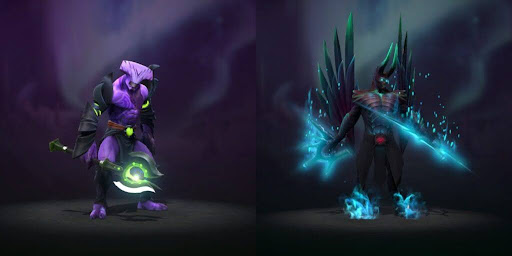
Position 1 is your hard carry, which is usually in the safe lane with a hard support hero. The main job of your carry hero is to develop into the strongest hero on the map at a later time, win crucial team fights, and finish off the game by taking enemy towers and eventually their high ground.
Early Game
In early games, most carries are weak early, so your main goal is survival and efficiency.
– Focus on last hits, getting as many last hits as you can without dying.
– Don’t go for kills unless they’re free, your main strategy is to farm.
– Let your support heroes tank for you so you can get items to speed up your farm time.
A good example is anti-mage, who rushes battle fury to speed up farm time.
Mid Game Decisions
In mid game, you’re always deciding whether to join fights or to farm. The best carries show up when they have a timing, not when they’re bored.
– Farm patterns: safe camps, push a lane, go dark again.
– Don’t join fights when your team can win with your power spikes, only when your spells are on cooldown and it’s dark.
Late Game Win Condition
In the late game, you’re expected to be the damage dealer and finisher. This does not imply that you start the fight. You just need to attack the right targets after your team initiates.
Some examples of good carry heroes include phantom assassin and anti-mage. However, it could also be an unusual hero if supported by drafting.
Second Position – Midlaner
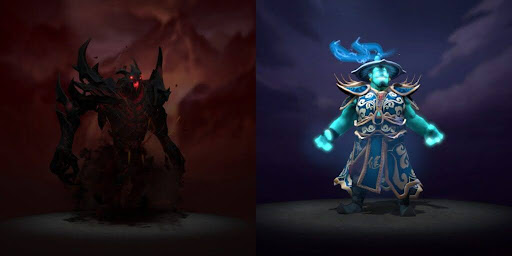
Position 2 plays the middle lane, usually as a 1v1. Mid is about tempo, levels, and turning small advantages into map control.
Laning Phase Priorities
The laning phase for the mid section of the map is a tight loop of mechanics and decision-making.
– Take last hits while applying pressure on the opponent.
– Be aware of the power runes and time the wave to take them.
– If you cannot take the lane matchup, do not take the minion wave. Push the wave and start over.
Much of the game for the mid section comes from the power runes. Getting one good one can mean a kill on the side lane and can turn the game for the entire team.
How Mid Wins Games
The mid heroes can get spiking earlier than the carry and can gain a considerable gold lead by taking fights, forcing rotations, and turning kills into objectives.
Some mid heroes want to brawl and take out enemy heroes, like storm spirit. Some mid heroes want to take objectives and constrict the map, like dragon knight or death prophet. Some greedier mid heroes, like shadow fiend, want a few items and then take over fights.
Your job is to control the pace, whether it’s ganking, defending, or pressuring, based on what your hero is good at.
Third Position – Offlaner
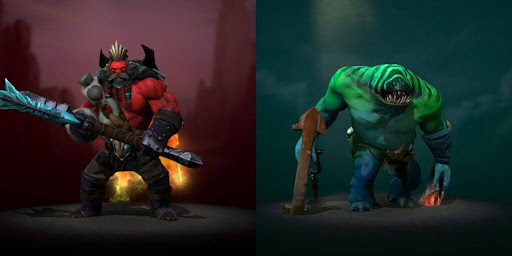
Position 3 is the offlaner, often paired with the soft support role. The offlaner is about being hard to remove, starting fights, and making the map uncomfortable for the other team. If you’re still learning how each role functions, this Dota 2 hero roles guide breaks down the responsibilities and playstyle of every position.
Laning Phase: Disrupt the Safe Lane
Your lane goal is not “farm forever.” It’s to harass the enemy carry and limit their comfort.
– Trade when you’re ahead.
– Threaten kills or force the enemy carry to miss last hits.
– If possible, disrupt the enemy carry’s farm by controlling their pulls, cutting their waves, or forcing them to jungle early.
Many offlane heroes are either a tanky hero with initiation, good ults, or teamfight utility. Your items determine how fights initiate.
Mid Game: Take Space and Force Reactions
This is where offlane excels at.
– Play with supports to take fights and push lanes.
– Be the hero who starts, so your carry can lanefarm behind you.
– Your job is to create space for your team’s carry to scale up.
The general idea is to use blink dagger, which turns you from ‘annoying’ into ‘fight starter.’ Blink dagger also punishes bad positioning and lets you hit backliners.
Fourth Position – Roamer/Soft Support
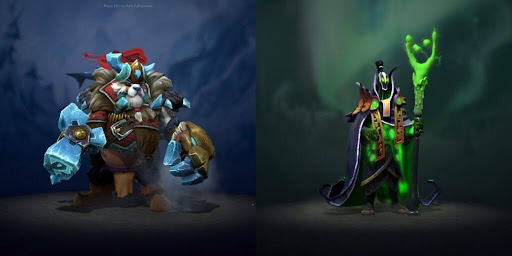
Position 4 is the soft support, also called the roaming support because you are expected to roam and make things happen yourself. In terms of dota 2 hero roles, this position is the most versatile.
Early Game: Lane Help
It is not necessary to start in the offlane.
– Help the offlaner win trades and level up.
– Find opportunities to rotate with the midlaner or punish the overextended lanes.
– Contend for the runes and punish the greedy support.
Good Pos 4 heroes have nuke, crowd control, and movement skills. These are the earth spirit, spirit breaker, bounty hunter, and vengeful spirit.
Mid Game: Playmaker and Connector
In the mid game fights, you choose when the fight will happen.
– Smoke the offlaner and look for pickoffs.
– Disrupt the enemy vision and set up kills on enemy heroes that are alone.
– Willing to die for the team to save the core and set up the fight.
In team fights, you are good for one good stun, silence, save, or initiation before the cores clean up.
Fifth Position – Hard Support
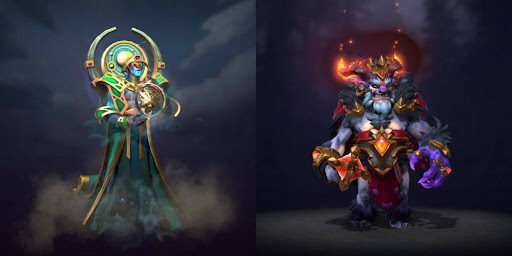
Position 5 is the hard support, the backbone of the team that makes the game enjoyable for the others. This is the position to choose if you want to play support and climb the ranks.
Laning Phase: Protect and Stabilize
Most games will start with you safely on the side of the safe lane next to your hard carry.
– Trade hits to make sure your carry can focus on last-hitting.
– Creep pulls to anchor the lane and deny the enemy team pressure.
– Be mindful of vision and be willing to take a death to make sure your carry does not.
This also includes good habits such as buying support items, thinking ahead, and making sure your carry stays alive through the messy parts of the early game.
Mid Game: Vision, Saves, and Structure
In the mid game, your contributions come from your presence in the right place.
– Place vision in the farming areas and the rotations of the cores.
– Save the cores from death with healing spells and other tools.
– Be first to the fight. Showing up late with Pos 5 will instantly get you killed.
The hard support heroes such as crystal maiden and witch doctor are good for this role. The former has good spells and does not require a lot of money. You are not trying to outfarm the other heroes. You are making sure that the cores are unstoppable.
Late Game: Stay Alive Long Enough to Cast
In the late game, support heroes can feel fragile, and positioning is everything.
– Hide behind cores and trees, then cast.
– Save buyback for crucial fights.
– The whole game can depend on your crowd control and saves, even if you’re not good at the game.
What Decides Hero Role in Dota 2?
Roles are not set in stone, and Dota 2 lanes and roles are simply guidelines based on what the hero needs to succeed and what they provide in an engagement. For more guides, tips, and services, you can visit eloboss.
Here is what generally determines the roles in Dota 2:
– How good the hero is at farming and converting as much money as possible into late-game power
– How much power spikes the hero has
– How much the hero needs levels or items
– How the hero can provide initiation, save, or damage
– How the team is composed and what is lacking in the draft (e.g., damage, control, frontline, push)
This is why, in theory, nearly any hero can play nearly any role, but in reality, not many can play roles comfortably outside of their primary one. A supporty hero can become a greedy core in the right game, and vice versa.
When you are trying to learn the Dota 2 lane roles, don’t worry too much about the roles themselves, but rather what you need to do in the game: who needs farm, who needs levels, who initiates, and who is meant to attack the buildings after the engagement.